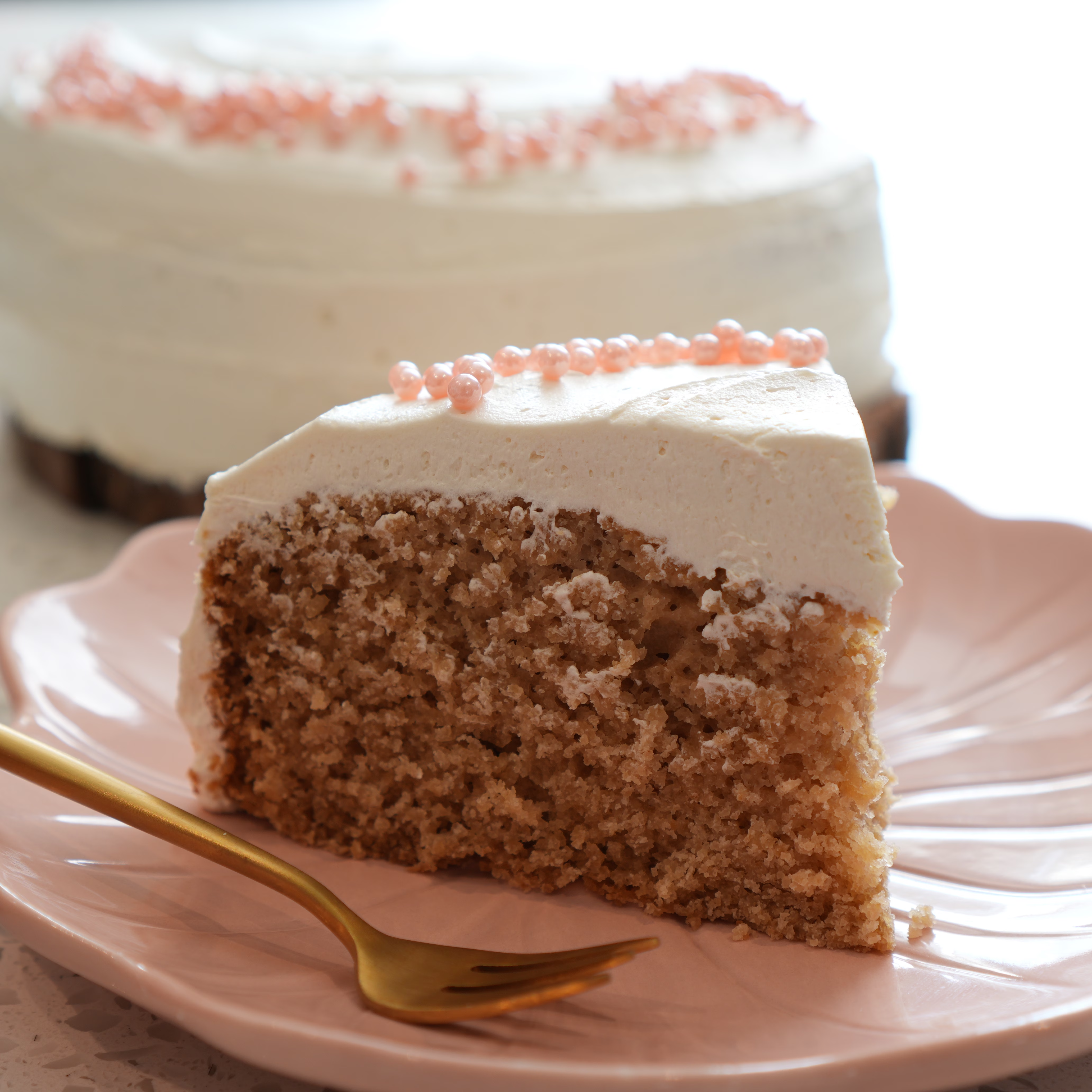
Gluten-Free Vegan Vanilla Cake From Scratch – No Xanthan Gum!
This Gluten-Free Vegan Vanilla Cake is made entirely from scratch using a custom
flour blend — no store-bought gluten-free flour mix and no xanthan gum required.
It is moist, tender, and holds together beautifully, making it perfect for
layering, frosting, and serving to guests who would never guess it is both
gluten-free and vegan.
The secret to this recipe is psyllium husk powder. Unlike xanthan gum, psyllium
is a natural plant-based fiber that mimics gluten’s elasticity and binds the
batter without leaving a gummy or heavy texture. Paired with a carefully balanced
blend of fine white rice flour, oat flour, cornstarch, tapioca starch, and almond
Applesauce replaces eggs as a moisture and binding agent, while apple cider
vinegar reacts with the baking soda for a clean, even rise. The result is a
cake that is dense and moist in the best possible way — not gummy, not crumbly,
and not sticky on the palate.
Whether you are baking for someone with dietary restrictions or simply exploring
plant-based and gluten-free baking, this vanilla cake delivers on flavor,
texture, and appearance. Pair it with the vegan vanilla buttercream for a
showstopping celebration cake, or enjoy it simply dusted with icing sugar.
Why this works
- Oat flour adds soft structure and beta-glucans that trap moisture without gumminess.
It’s the closest thing to wheat’s softness without gluten. - Cornstarch + tapioca give lightness and a tender crumb.
- Psyllium husk powder is the structural binder. It forms a gel that mimics gluten’s
elasticity — without it, vegan GF cakes tend to over-rise and collapse.
Gluten-Free Vegan Vanilla Cake From Scratch — No Xanthan Gum!
Ingredients
Vegan Vanilla Cake
- Dry
- ¾ cup + 1 tbsp (120 g) Fine white rice flour
- ½ cup (50 g) Oat flour
- ⅓ cup (40 g) Cornstarch
- ¼ cup (30 g) Tapioca starch
- ⅓ cup + 1 tbsp (40 g) Almond flour
- 1 teaspoon Psyllium husk powder
- ¾ cup (150 g) Superfine granulated sugar
- 1½ teaspoon Baking powder
- ½ teaspoon Baking soda
- ½ teaspoon Salt
- Wet
- ¾ cup + 1 tbsp (200 ml) Oat milk (room temperature)
- ⅓ cup (80 ml) Avocado oil (any neutral oil)
- ¼ cup (60 g) Unsweetened applesauce
- 1 tablespoon (15 ml) Apple cider vinegar
- 2 teaspoons (10 ml) Vanilla extract
Vegan Vanilla Buttercream
- 1 cup (225 g) Vegan butter, cold but not fridge-hard
- 2½ cups (300 g) Powdered Icing sugar, sifted
- 2 teaspoons Vanilla extract
- 1 – 2 tablespoons (15-30 ml) Oat milk (or any plant milk)
- Pinch of salt
Instructions
Gluten-Free Vegan Vanilla Cake
- Preheat the oven to 170°C / 340°F. Grease and line a 7-inch round cake pan.
- Whisk all the dry ingredients thoroughly in a large bowl. Make sure the psyllium husk is evenly distributed before any liquid touches it – otherwise it will clump.
- In a separate bowl, whisk the wet ingredients (oat milk, oil, applesauce, vinegar, vanilla) until emulsified.
- Pour the wet into the dry. Whisk until just smooth, about 30 seconds. No lumps, but do not over-mix.
- Rest the batter for 15 minutes.
- Scrape the batter into the prepared pan and tap the pan once on the counter.
- Bake for 50-60 minutes at 170°C / 340°F.If the top browns too quickly, tent loosely with foil.Cake is done when the top is golden it springs back firmly (not softly) when pressed in the center and a skewer comes out clean or with a couple of dry crumbs.
- Cool in the pan for 20 minutes, then turn out onto a wire rack. Cool completely at least 1 hour – before slicing or frosting.
Vegan Vanilla Buttercream
- Beat the vegan butter with a hand mixer on medium-high for 3–4 minutes until pale, light, and fluffy.
- Add the sifted icing sugar in two additions, mixing on low after each until just combined, then turning up to medium for 30 seconds.
- Add the vanilla extract and salt. Mix on medium for 1 minute.
- Add oat milk 1 tbsp at a time until you reach your desired consistency:1 tbsp → stiff, good for piping rosettes and borders2 tbsp → softer, ideal for spreading and swooping
- Beat on high for a final 2 minutes. The frosting should be white, fluffy, and hold its shape.
Video
Notes
- Weigh your ingredients for best results.
- Use fine white rice flour, not coarse rice flour. Coarse rice flour gives a gritty texture that does not improve with baking.
- Psyllium husk powder is different from whole psyllium husks. The powder is finely milled and blends seamlessly into the batter. If you only have whole husks, grind them first or increase the quantity by 50%.
- Certified gluten-free oat flour is important if you are baking for someone with coeliac disease, as regular oats are often cross-contaminated.
- Blanched almond flour gives a slightly paler crumb than natural almond flour. Both work, but blanched is finer and blends more evenly.
- Unsweetened applesauce is essential – sweetened applesauce will make the cake too sweet and affect the sugar balance.
- Do not skip the 15-minute batter rest. This is the most important step in the recipe.
Psyllium husk and rice flour are slow to hydrate- the rest allows them to fully absorb
the liquid, which results in a finer, more cohesive crumb. - Whisk the dry ingredients thoroughly before adding any liquid. Psyllium husk must be evenly distributed throughout the flour blend, otherwise it will clump when liquid is added.
- Do not over-mix after combining wet and dry ingredients. Mix until just smooth – about 30 seconds. Cornstarch and tapioca starch are sensitive to aggressive mixing which leads to a slightly gummy texture on the palate. Over mixing also deflates the leavening reaction of baking soda and vinegar. this leads to a denser cake.
- Tap the pan on the counter once after pouring the batter in. This releases large air
bubbles that would otherwise create an uneven crumb.
- Cool completely before slicing or frosting — at least 1 hour at room temperature. GF
cakes are structurally fragile when warm and the crumb continues to set as it cools.
Suggested recipes
If you liked this recipe, try these next: